The National Museum has opened a new long-term exhibition titled People and Their Ancestors, taking you on a journey through millions of years of human history. This exhibition is not just about fossils – it tells the fascinating story of the entire human lineage, from the first hominins who descended from the trees to modern humans, whose way of life, diet, and social structures gradually evolved. You can admire a range of unique discoveries from Czech territory, along with exhibits of European significance.
.jpg)
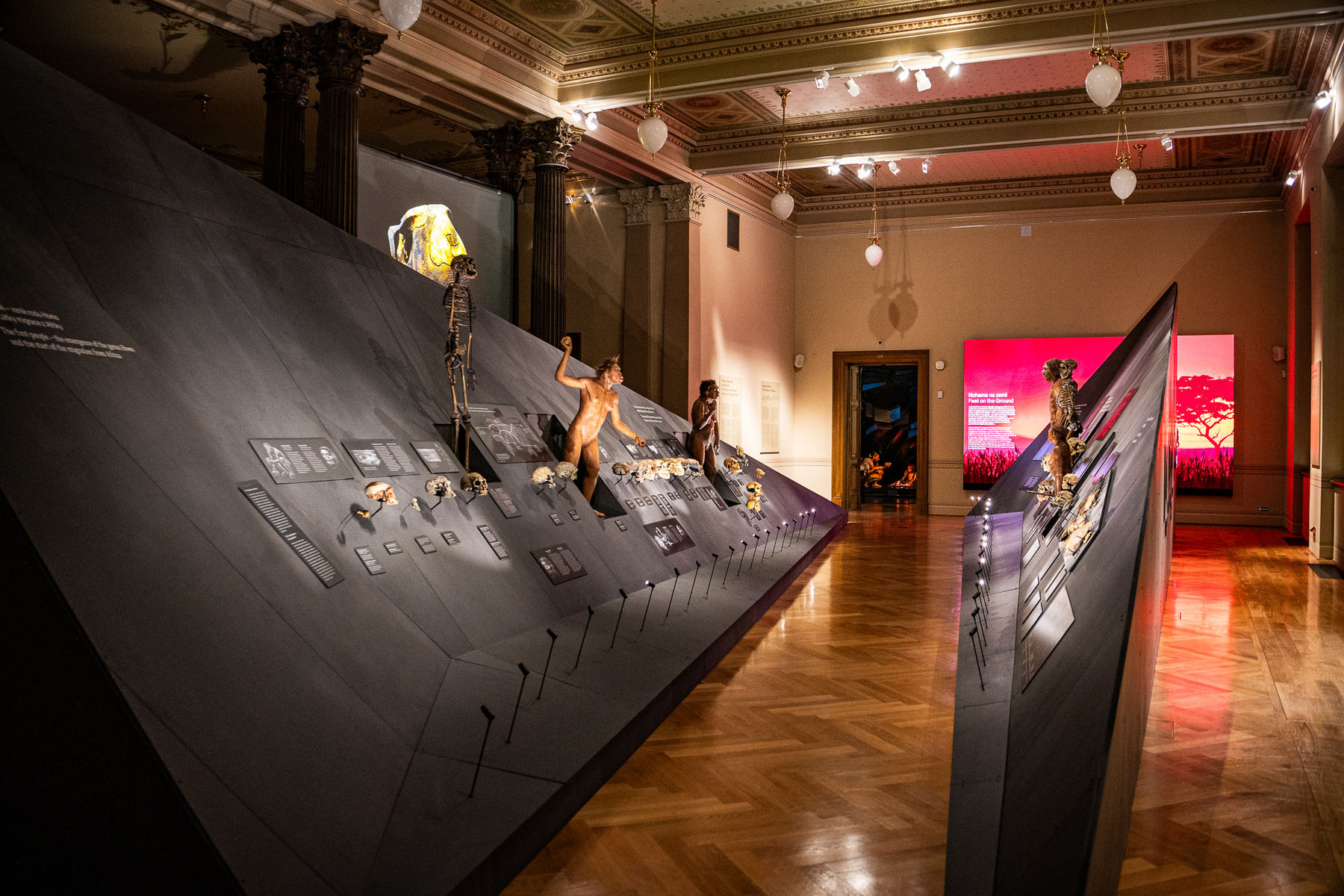
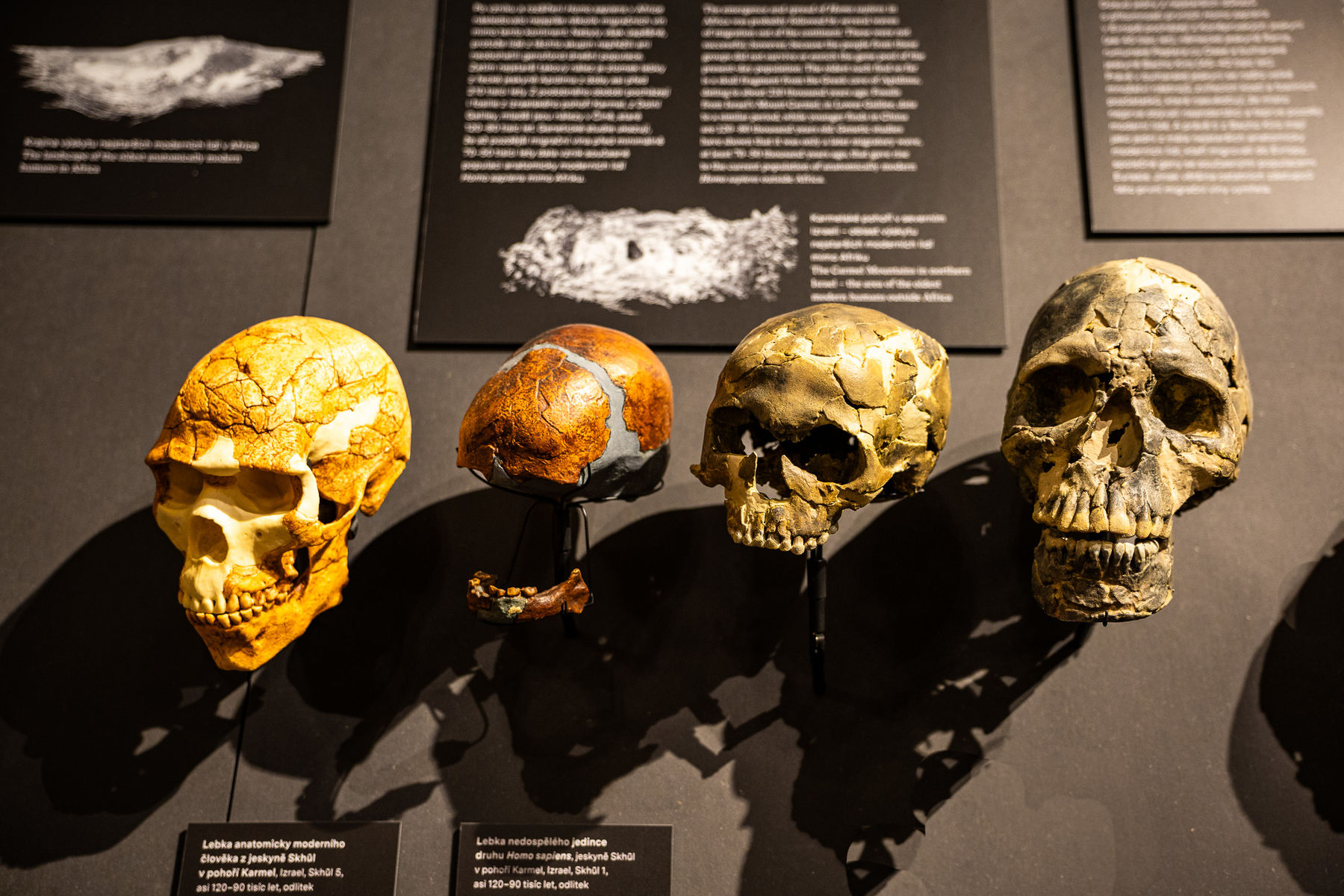
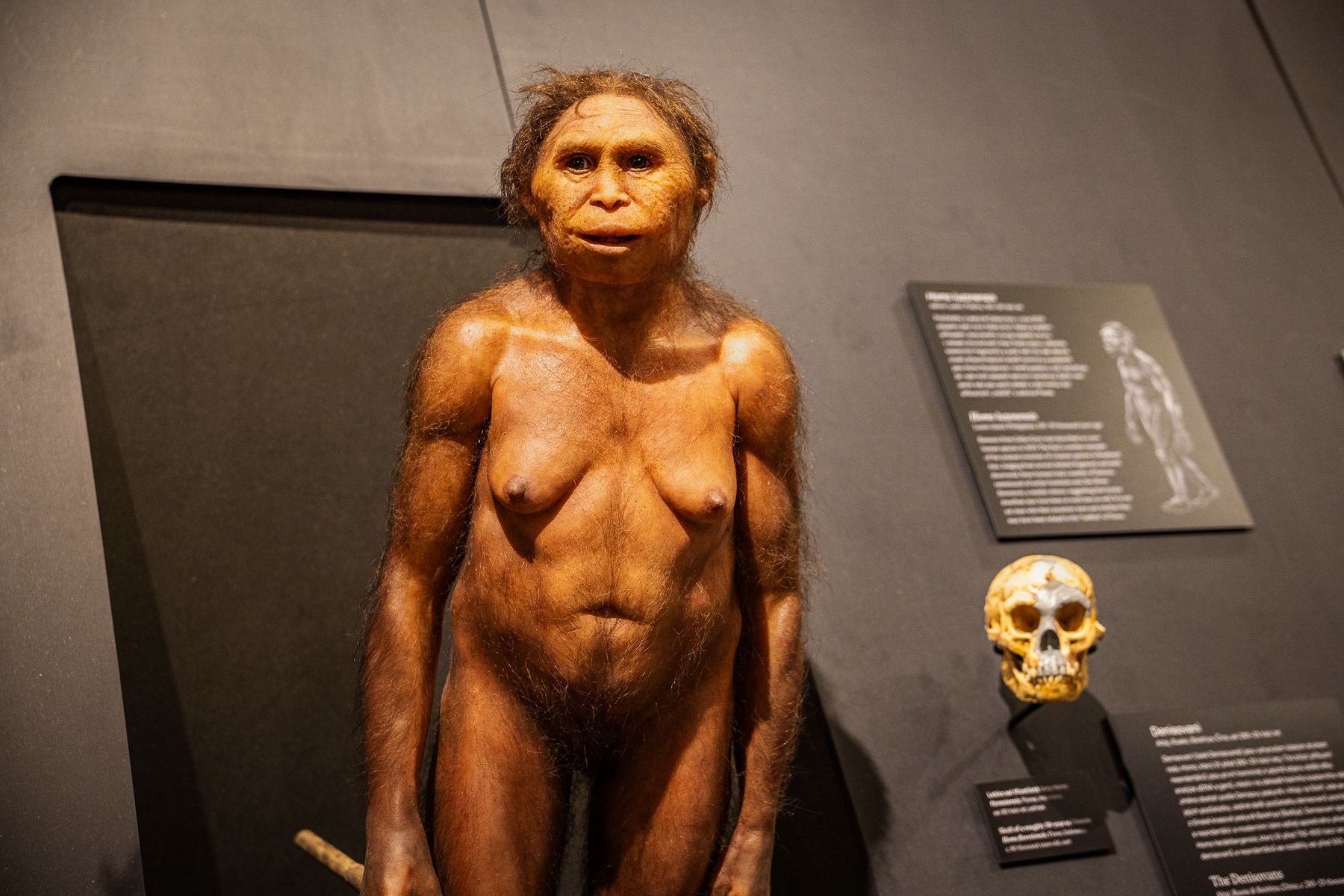
The first part of the exhibition is dedicated to the evolution of the human lineage, telling a story that spans nearly seven million years through casts of rare fossils. You will encounter the earliest hominins who came down from the trees, the australopithecines, and the first members of the genus Homo who began to leave Africa. The exhibition also highlights our “lost relatives,” such as the Neanderthals, Denisovans, and the so-called Hobbit – Homo floresiensis.
The exhibition also tells the story of the origins of anatomically modern humans and their journey to settle the entire planet. Special attention is given to changes in the skeleton that led to perfect adaptation for walking on two legs.
.jpg)
Lucy & Selam at the National Museum
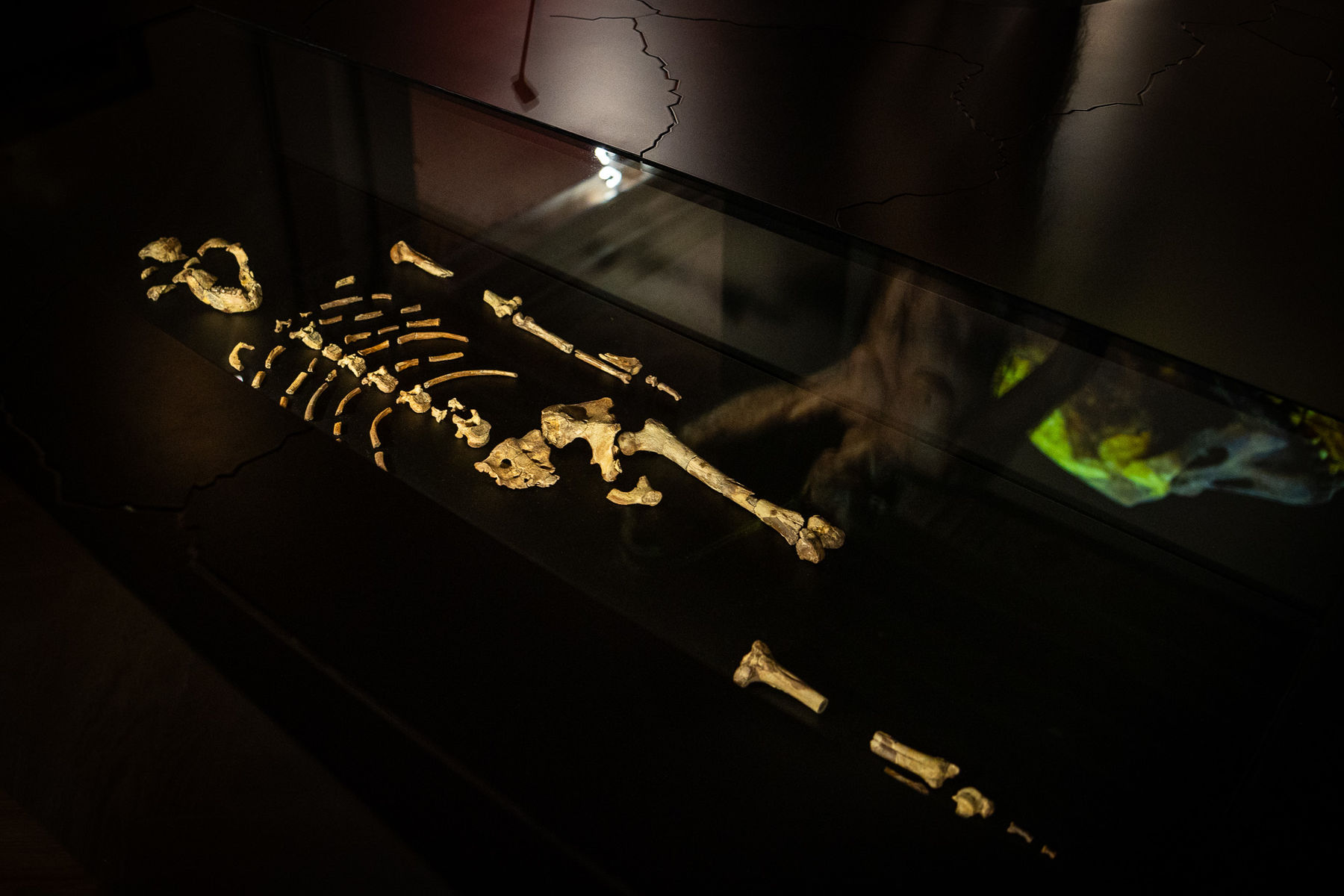
From August 25 to October 23, 2025, for sixty days, the National Museum hosted a global sensation: the original fossils of Lucy and Selam – some of the oldest and rarest human ancestors – were presented for the first time ever in Europe, and only in Prague.
Lucy has only been exhibited outside Ethiopia in the United States, while Selam has never been displayed abroad before. Neither are permanently exhibited even at the National Museum in Addis Ababa. The fossils were loaned to Prague by the Ethiopian Ministry of Tourism from the National Museum of Ethiopia in Addis Ababa. Ethiopia is their land of origin, and Lucy and Selam are among its most precious national treasures.

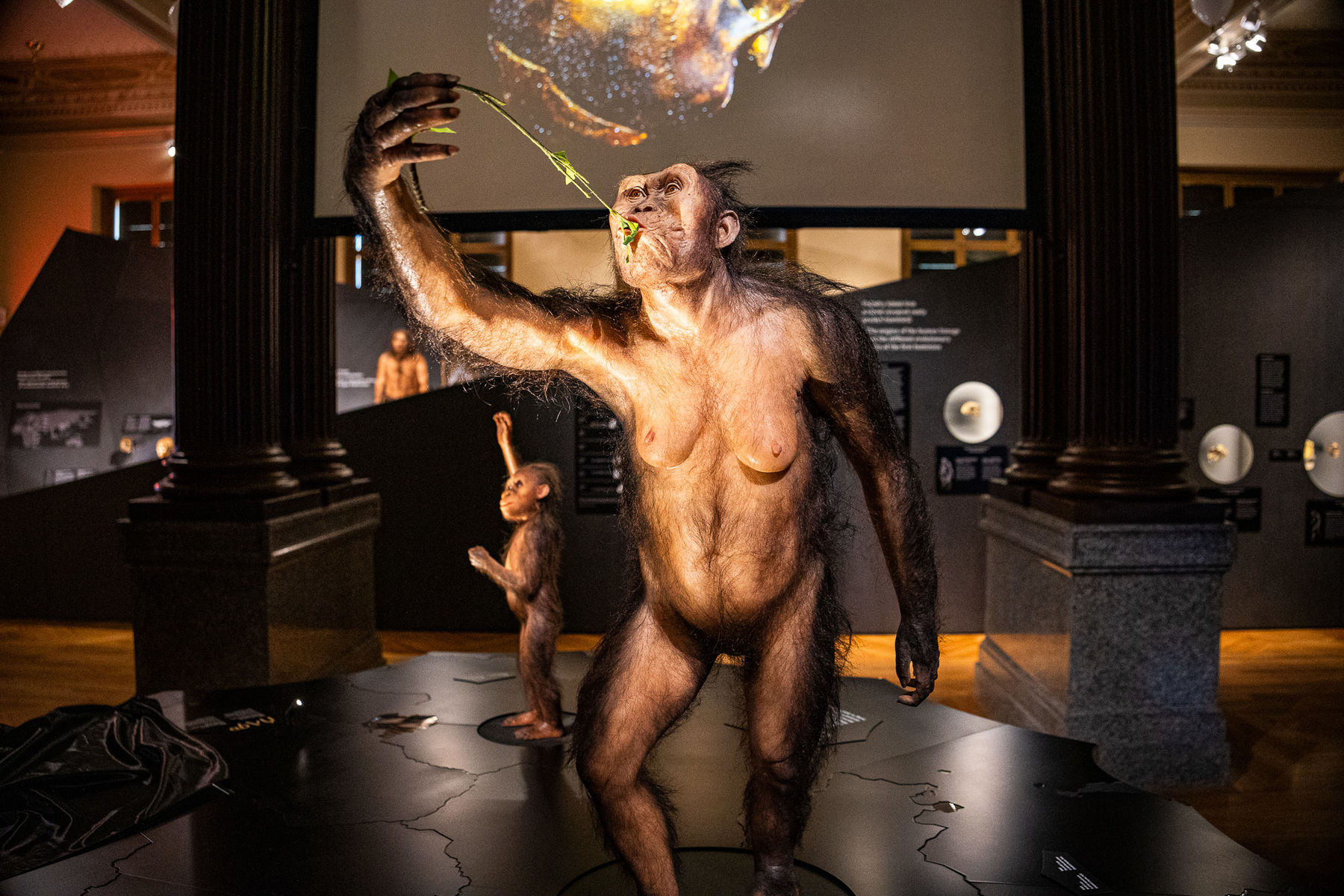
Lucy, known in Ethiopia as Dinkinesh, which means "you are marvelous" in Amharic, was discovered fifty years ago by paleoanthropologist Donald Johanson and his student Tom Gray. This discovery rewrote history and changed our understanding of human evolution. Lucy, who lived between 3.8 and 2.9 million years ago, was about 106 cm tall, weighed around 28 kilograms, and died at a young age between twelve and sixteen years old. Her skeleton shows a mixture of traits: the upper body resembled that of a chimpanzee, while the pelvis and lower limbs clearly indicate upright walking. Thanks to her excellent preservation, it was possible to reconstruct the appearance of early australopithecines for the first time. She was named Lucy after the famous Beatles song Lucy in the Sky with Diamonds.
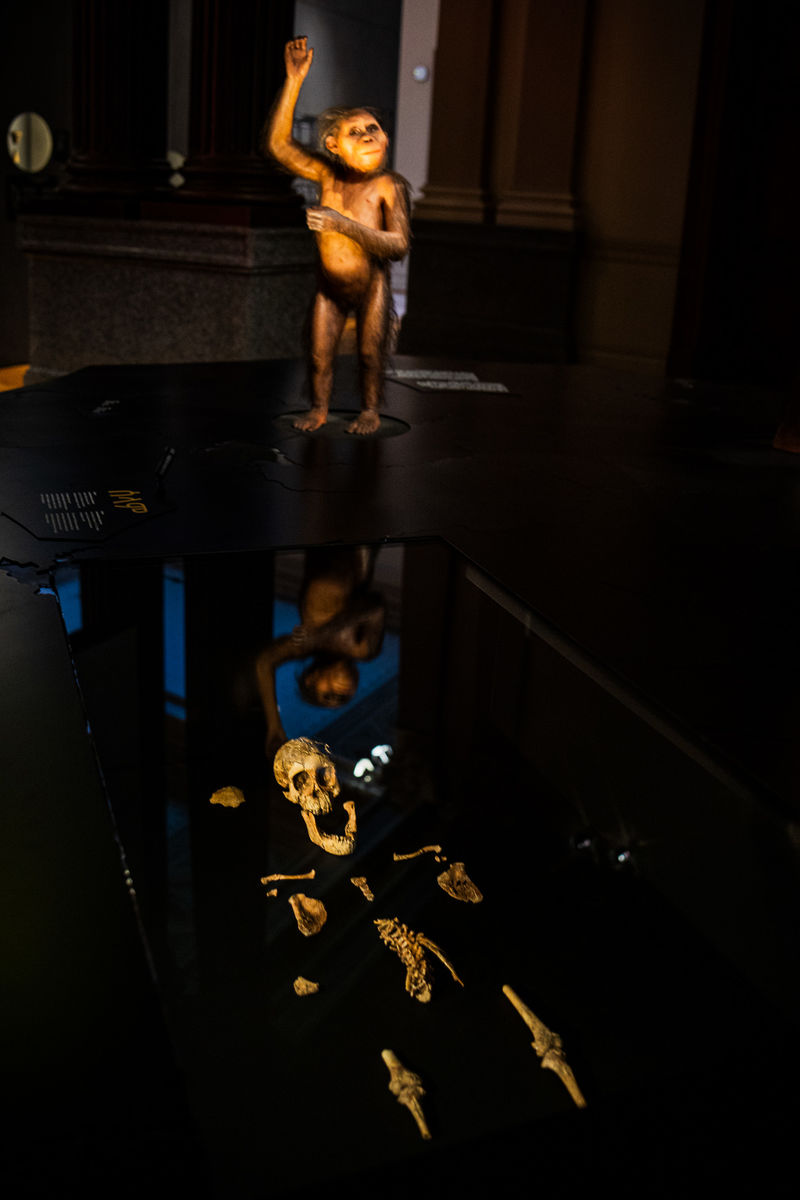
Selam, whose name means "peace" in Amharic, is the remains of a two-and-a-half-year-old child, likely a girl, discovered in 2000 near the site where Lucy was found. Over the years, about sixty percent of her skeleton, including a large part of the skull, has been uncovered, making Selam one of the best-preserved child fossils of early hominins. Her discovery allows scientists to better understand the development of australopithecines from an early age. Both fossils are considered key evidence of human evolution.
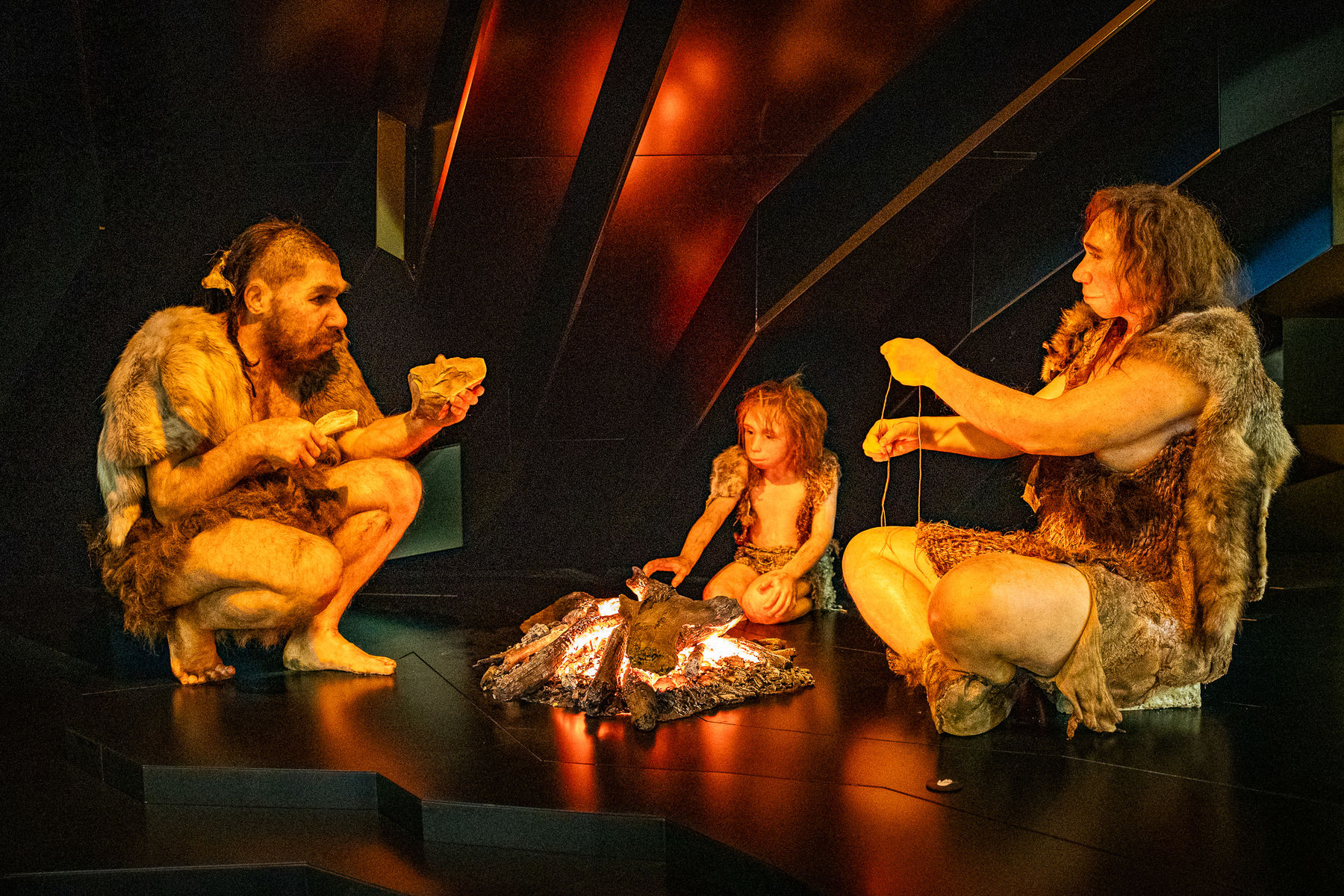
The exhibition is further enriched by hyperrealistic sculptures created by French artist Élisabeth Daynès, who also reconstructed Lucy and Selam, giving you a chance to look into the faces of our ancestors.
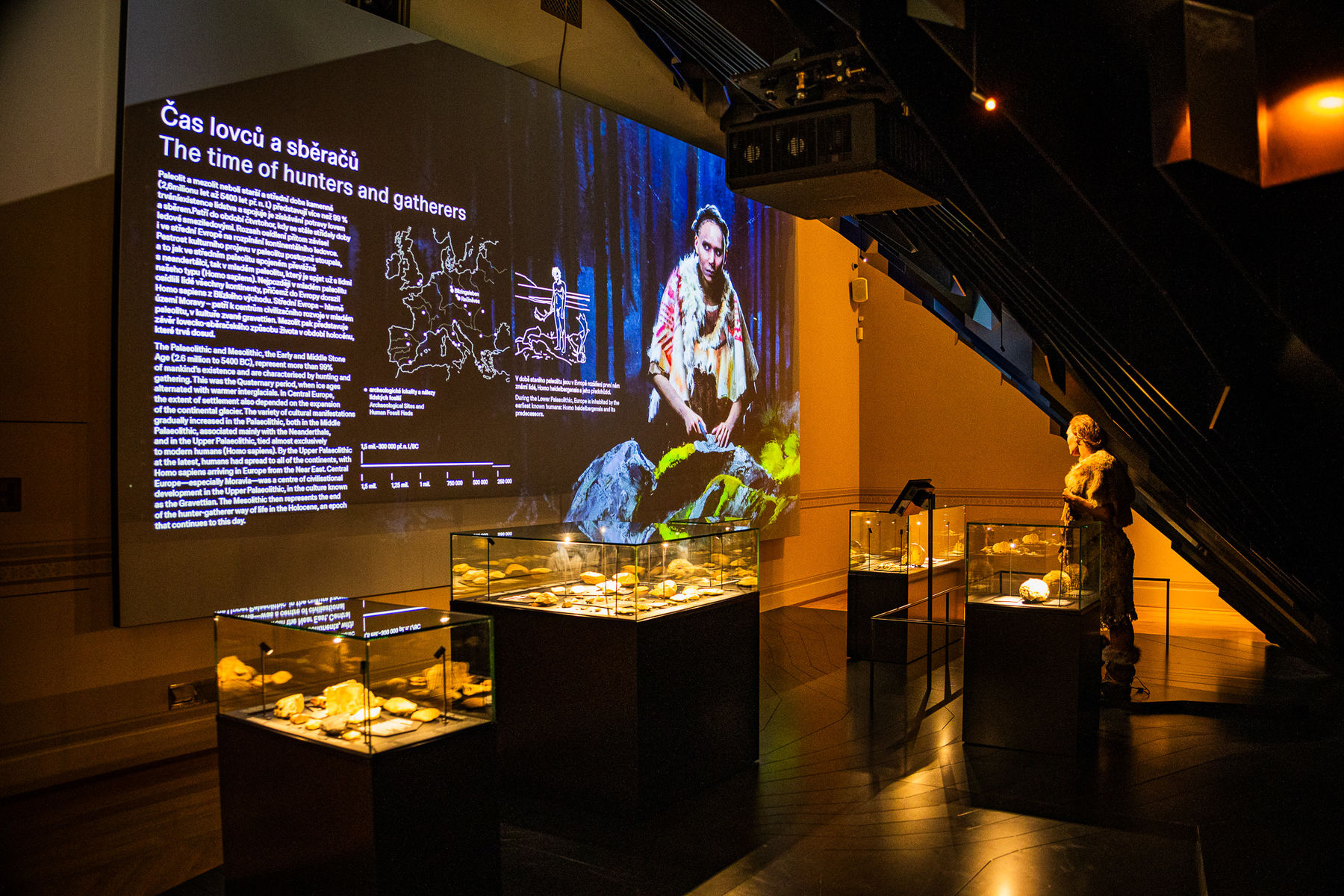
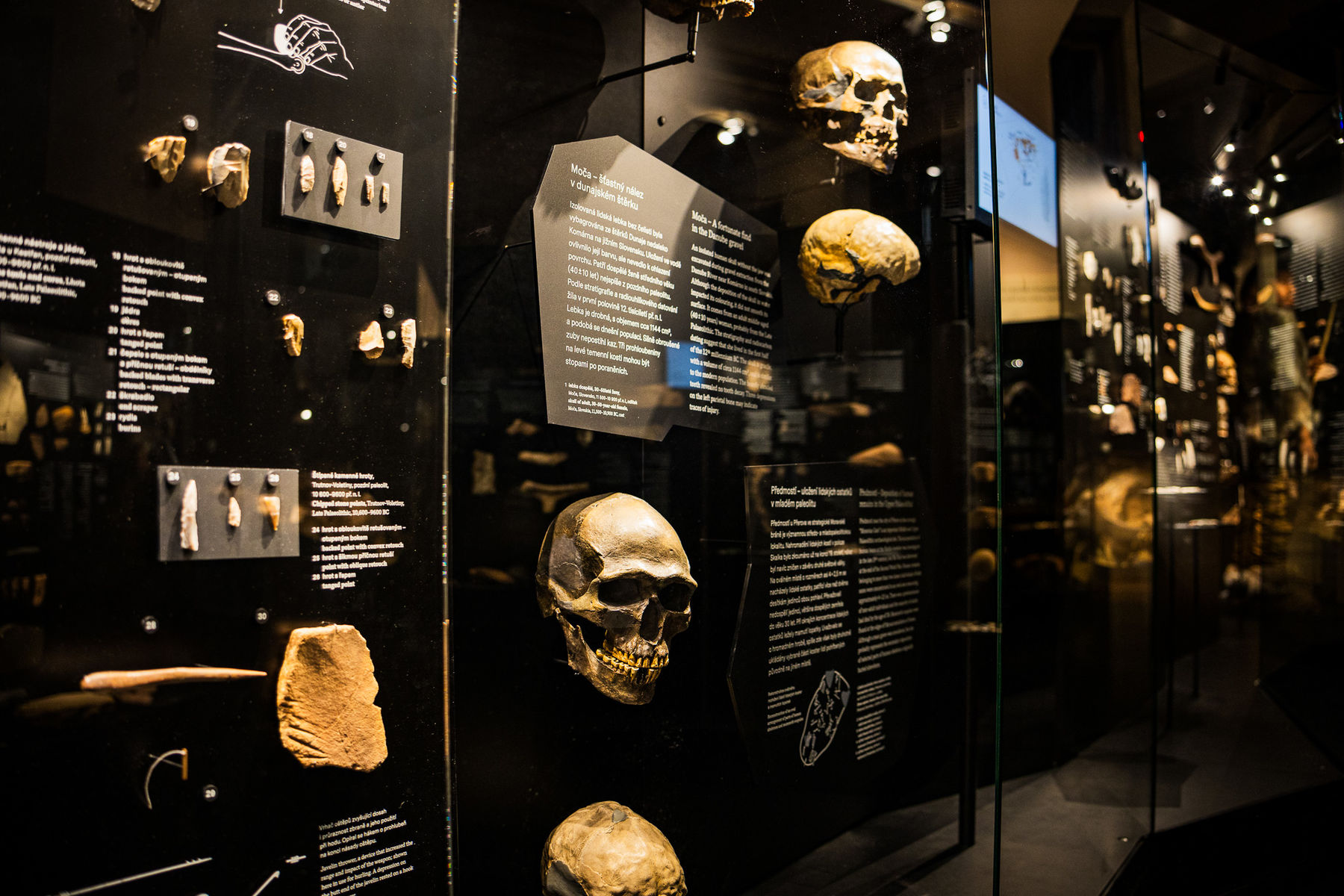
The next part of the exhibition invites you into the world of prehistoric hunters and gatherers. On display is a world-renowned artifact from the National Museum’s collection – a cast of a Neanderthal skull from Gánovce, dating back approximately 105,000 years – as well as remains of the oldest modern humans in Europe found in the Koněprusy Cave, whose faces are brought to life by hyperrealistic models.
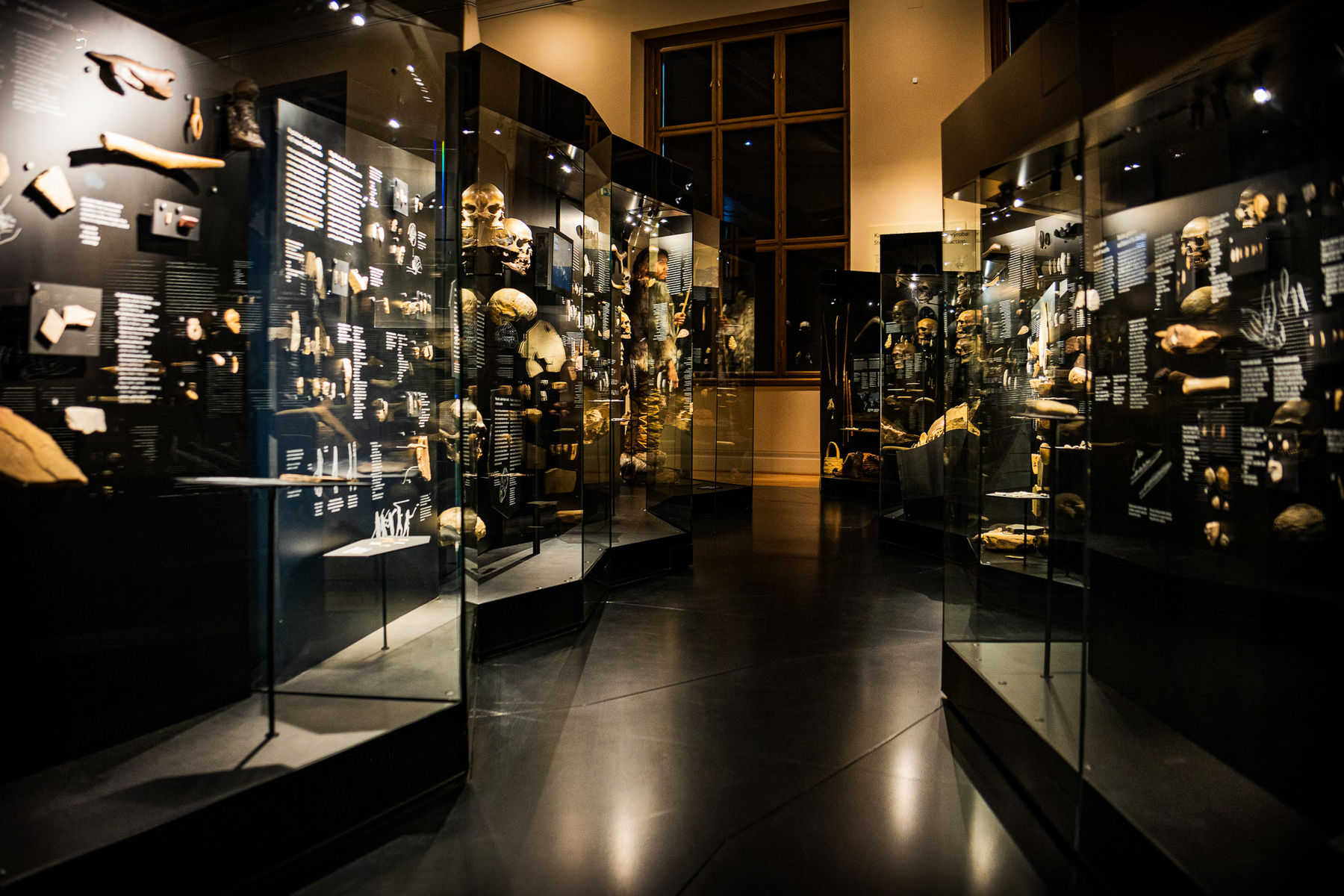
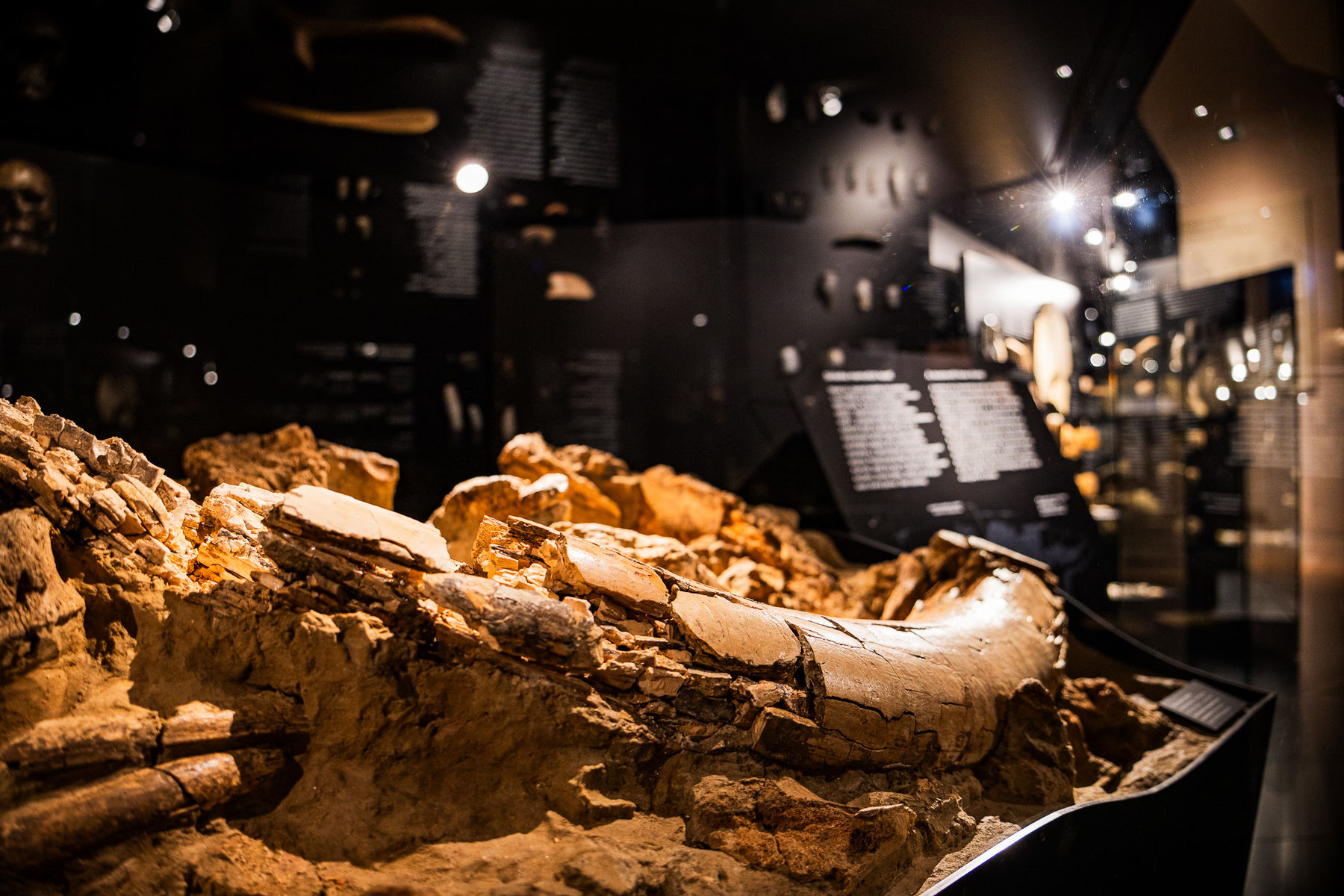
The exhibition presents the most comprehensive overview of Paleolithic finds from Czech territory: from the oldest artifacts from Přezletice, dated between 600,000 and 400,000 BCE, through the famous mammoth bone deposit at Dolní Věstonice, to the artistic creations of hunters from the late Early Stone Age.
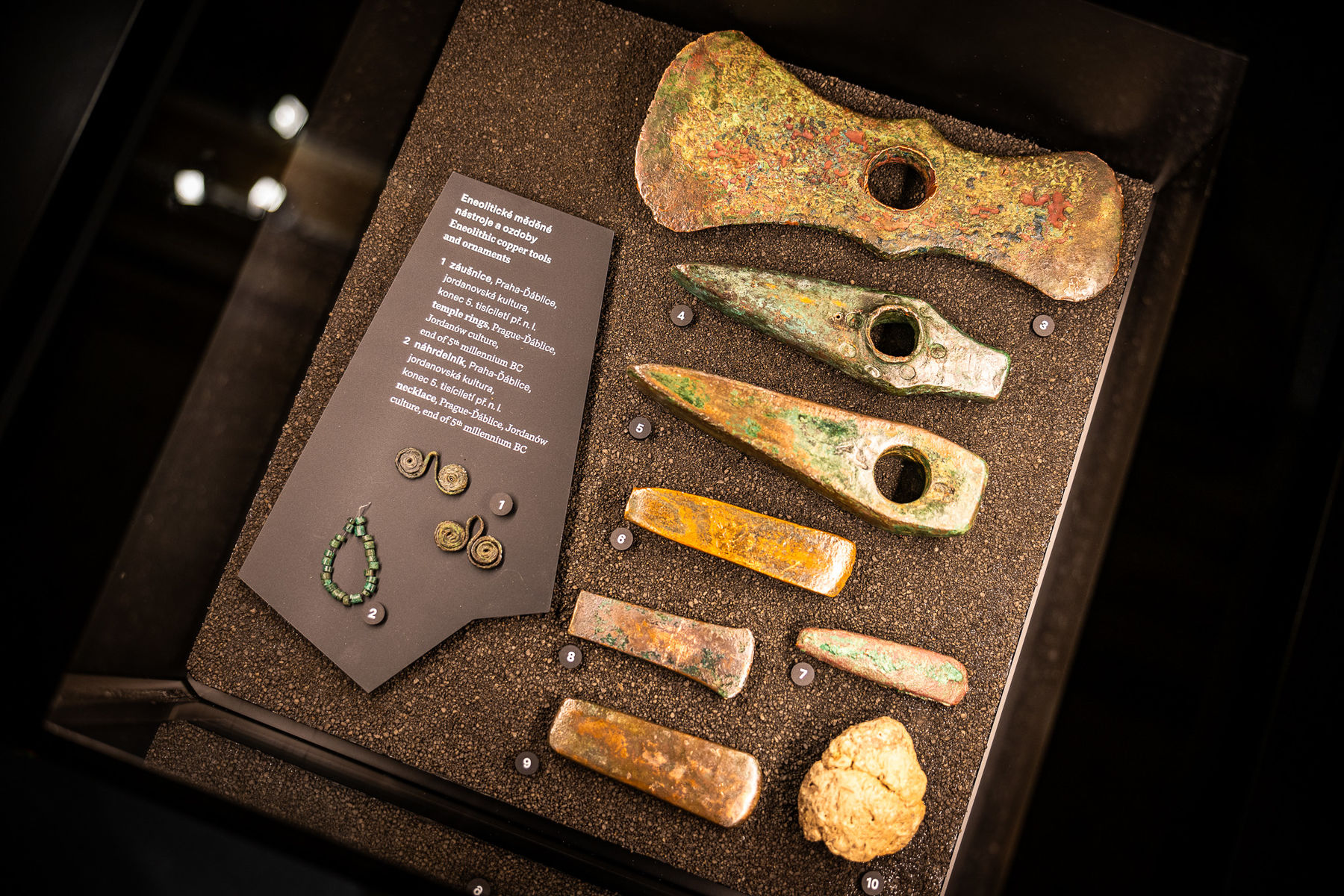
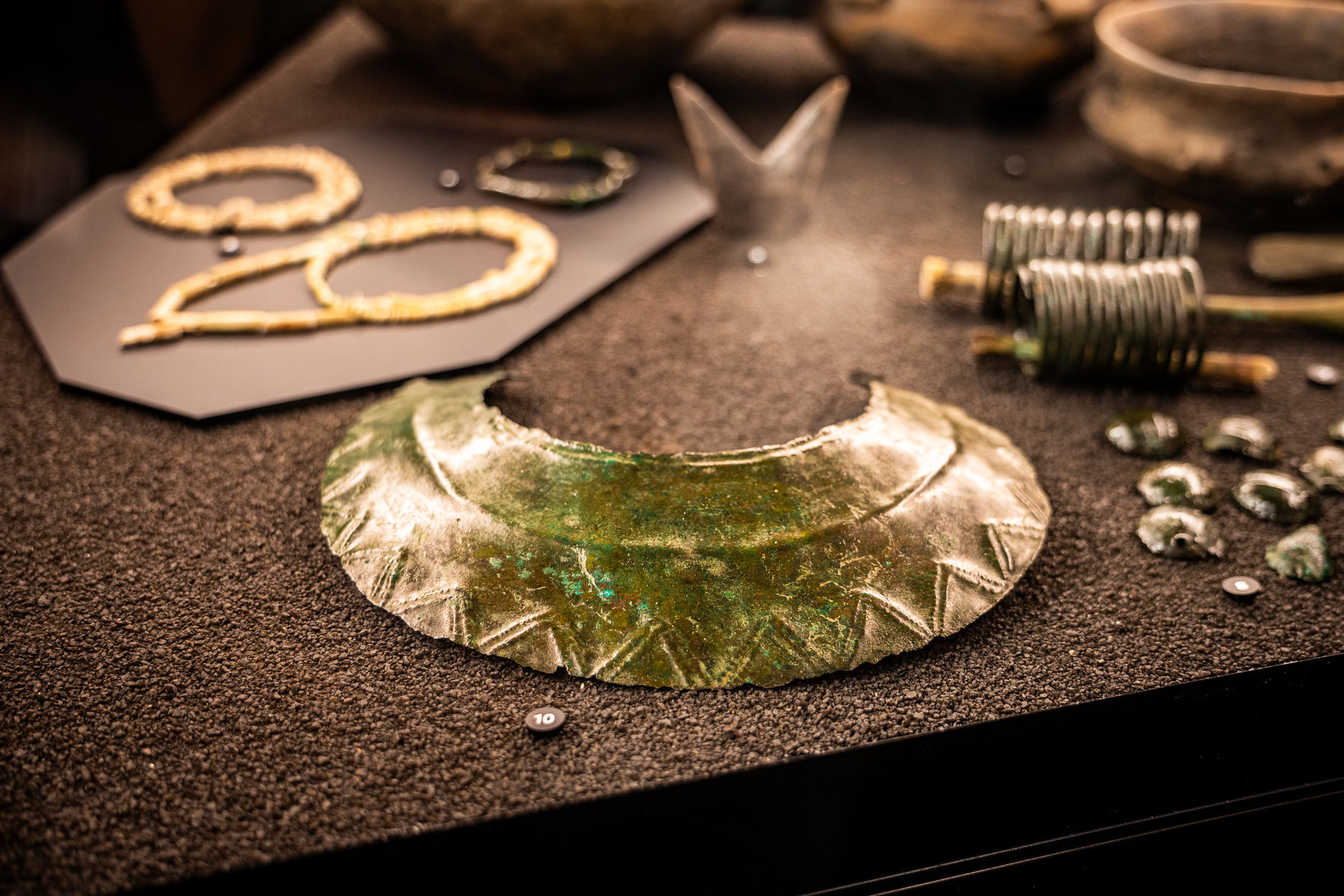
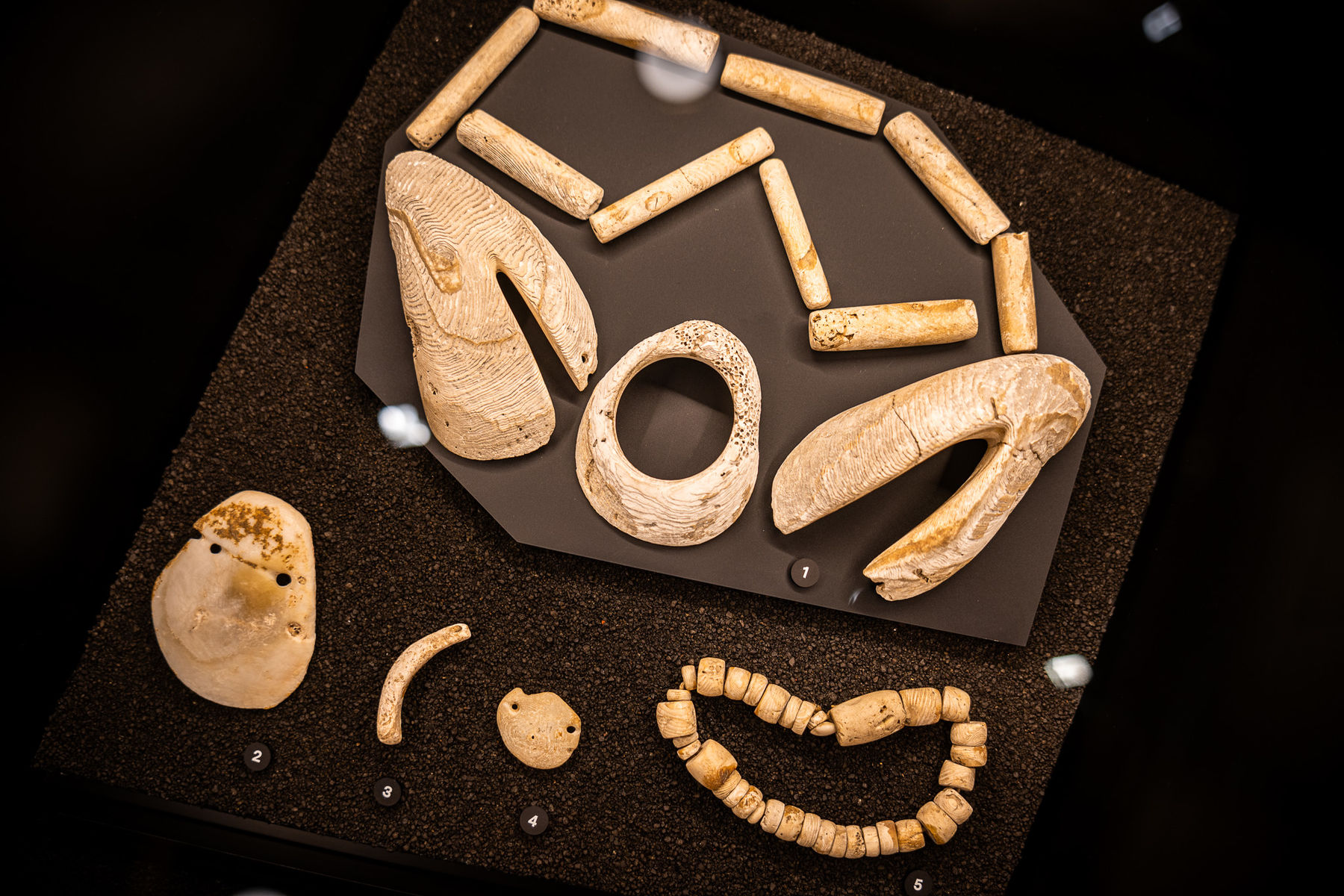
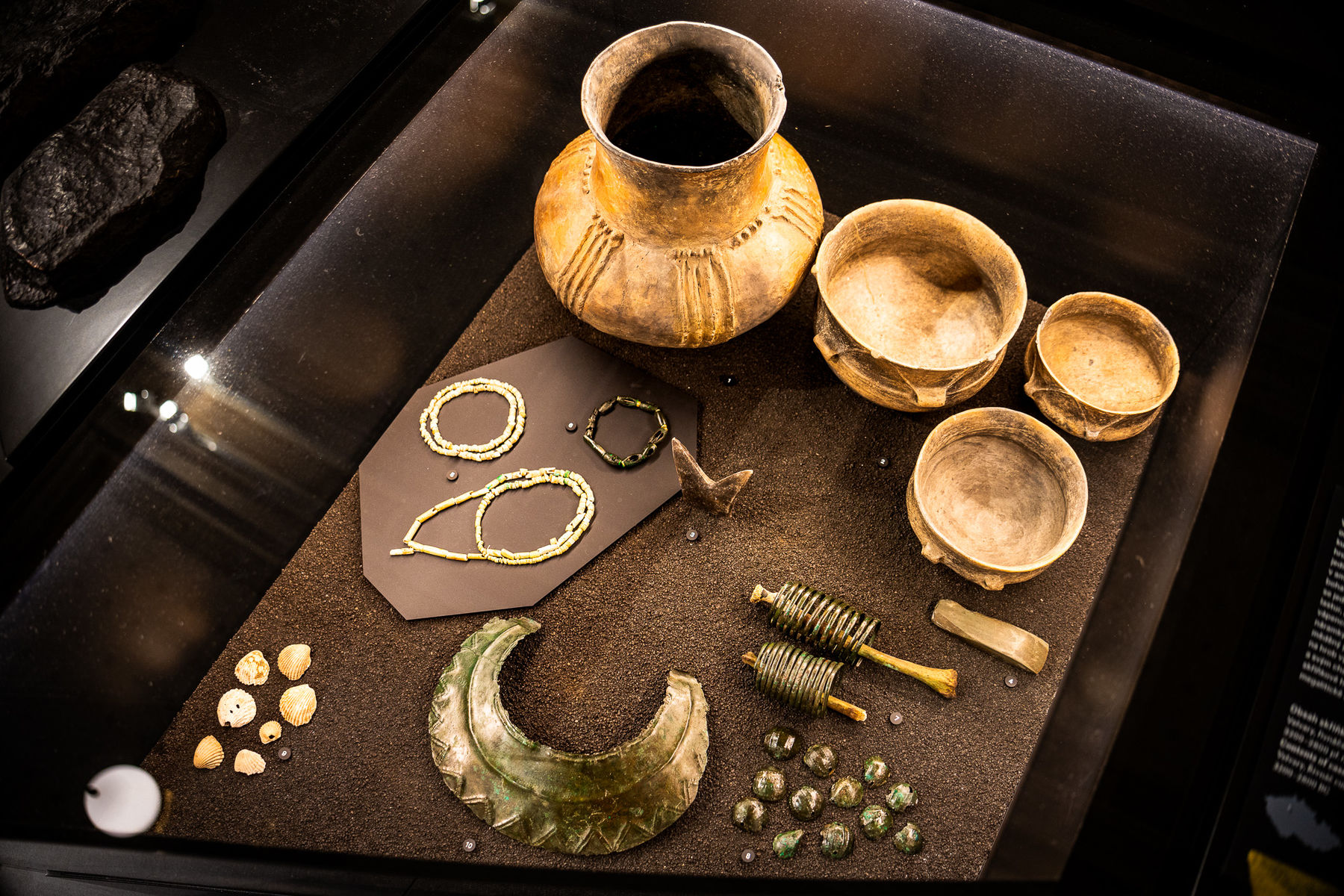
It also captures a major turning point linked to the arrival of the first farmers in the 6th millennium BCE. Visitors can see reconstructions of dwellings from that time, delicate shell jewelry made from spondylus, Mediterranean figurines, and the oldest evidence of textile production. The section dedicated to the Eneolithic period showcases the first copper objects and finds related to the elites of that era, such as the rich burial from Velvary. For the first time, the extraordinary discovery nicknamed the “Amazon of Tišice” is also exhibited here.
.jpg)
The new exhibition at the National Museum offers not only display cases filled with rare paleoanthropological and archaeological finds but, above all, an exciting story that begins in the African savannah and leads all the way to the birth of our civilization.
It is a story that concerns us all—because we are all its continuation.